
Print & Apply as Used in Fulfillment Packaging Operations
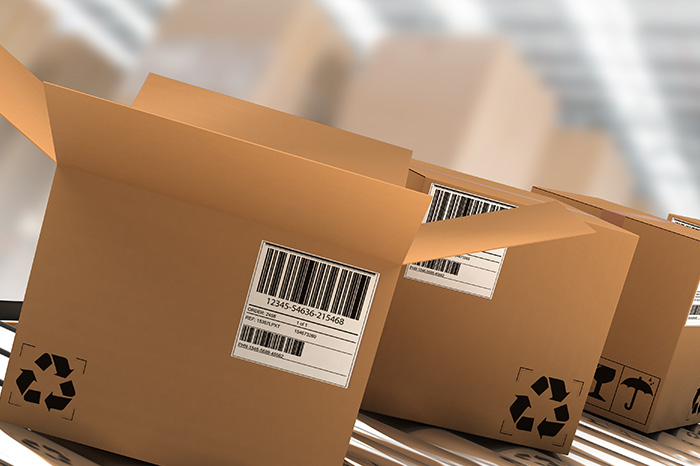
“Print and apply” refers to a labeling process commonly used in material handling operations, particularly in automated packaging and shipping environments. It involves printing labels with variable information, such as product details, barcodes, serial numbers, or shipping addresses, and automatically applying them to products, packages, or shipping containers.
Why is Print & Apply Used?
High-volume fulfillment operations rely on automation to run efficiently and accurately. Without it, processing and sorting would be slower and less efficient.
For automation to work, machines must be able to identify and track inventory—this is where print and apply comes in. By labeling items with SKUs, barcodes and addresses, automation technology can be utilized at scale and speed. This not only helps improve speed and efficiency of a fulfillment operation, it helps to provide better information on product inventory and stock as well.
Print & Apply Process Overview
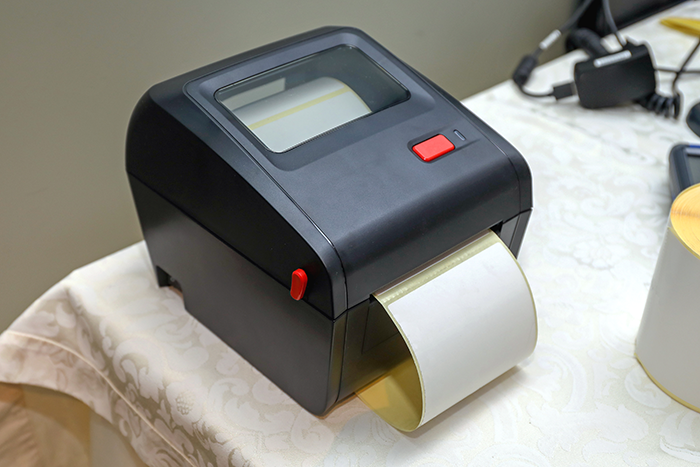
Label Design and Printing: Label design is created or customized using label design software, and includes layout, content, and variable data elements to be printed on the labels. A printer then produces the labels based on this template.
Data Integration: Label data such as SKUs, product names, or addresses, is pulled from systems like warehouse management system (WMS) or trailer manifesting systems (TMS) to ensure accuracy and real-time updates.
Label Application: Printed labels are automatically applied to items using label applicator, applicator arm, or labeling mechanism that affixes the printed labels to the appropriate surfaces.
Verification and Quality Control: Barcode scanners or vision systems may check labels for accuracy, readability, and proper data encoding.
Integration with Material Handling Systems: Print and apply systems often integrate with larger packaging systems such as conveyors, robotic arms, and sorter equipment to ensure efficient labeling and routing or products.
How Do COFE® Put-Wall Speedpack® Stations Enable Workflow?
Our put-wall stations batch and organize orders in high-volume fulfillment centers. By centralizing picked items in one location, put walls minimize the time employees spend walking between pick zones and packing stations. They reduce errors by clearly separating orders and ensuring the right items go into the right shipments.
End-of-Line Packaging Automation
Keeping up with the ever-changing demands of ecommerce is more challenging than ever. With rising consumer expectations, businesses must deliver faster, protect products better, expect more varied orders and adapt to the increasing demand for custom packaging. VARGO® has partnered with Sitma to tackle these challenges by integrating Sitma’s industry-leading paper-based mailer automation to optimize package handling from start to finish.
How Does Packaging Automation Work?
Packaging automation is an end-of-line solution in warehouse fulfillment that automates the packing of orders. Items are fed into the system, which wraps and seals them in paper envelopes or paper boxes tailored to their dimensions. This process reduces material waste and lowers shipping costs by optimizing mailer size. Once packaged, each mailer or box is labeled and ready for shipment.
Types of Packaging Automation
End-of-line packaging automation typically falls into two categories: mailers/bags and corrugated boxes. Mailer systems use paper materials to wrap, seal and label items, while corrugated box systems create right-sized boxes tailored to the dimensions of each shipment.
Benefits of Packaging Automation
- Improved Efficiency: Automated systems operate faster and longer than manual processes, increasing throughput.
- Enhanced Accuracy: Automated wrapping and labeling reduce human error and ensure consistent results.
- Sustainable Solutions: Right-sized mailers and boxes use eco-friendly materials and minimize packaging waste.
- Faster ROI: Savings in labor and materials, combined with higher output, lead to a quicker return on investment.
- Custom Branding: On-demand printing allows for personalized marketing messages directly on the packaging.
- Reduced Shipping Costs: Precisely sized packaging lowers dimensional weight and maximizes space in delivery vehicles.