

Live On-Line Panel
The modern consumer sets the rules for e-commerce: they demand seamless online experiences, easy returns, and sustainable practices. This pressure is forcing retailers to connect the dots between their customer-facing operations and the complex supply chain that supports them.
Join Terry Esper, Associate Professor of Logistics at The Ohio State University Fisher College of Business, and Christian Dow, Executive Vice President at MHI, to explore how leading brands are transforming the biggest points of friction into critical opportunities. Learn how to bridge the operational gap, drive efficiency, enhance the customer experience, and build a scalable retail model for today’s market.
This live on-line panel is essential for leaders in:

Chief Commercial Officer, VARGO®
Robert Nilsson leads business development and the execution of commercial strategy, while enhancing go-to-market for software-driven solution sales. With over 35 years of experience in automation, robotics, software and technology, Robert’s proven track record of strategic leadership plays a key role in driving VARGO®’s growth initiatives.

Professor of Logistics, The Ohio State University Fisher College of Business
Dr. Terry L. Esper is a leading expert on the intersection of marketing and supply chain strategy. His research focuses on how retailers and e-commerce firms leverage logistics to differentiate themselves in competitive marketplaces. A frequent contributor to The Wall Street Journal, Forbes, and CNBC, Dr. Esper also serves on the Board of Directors for the Council of Supply Chain Management Professionals (CSCMP).
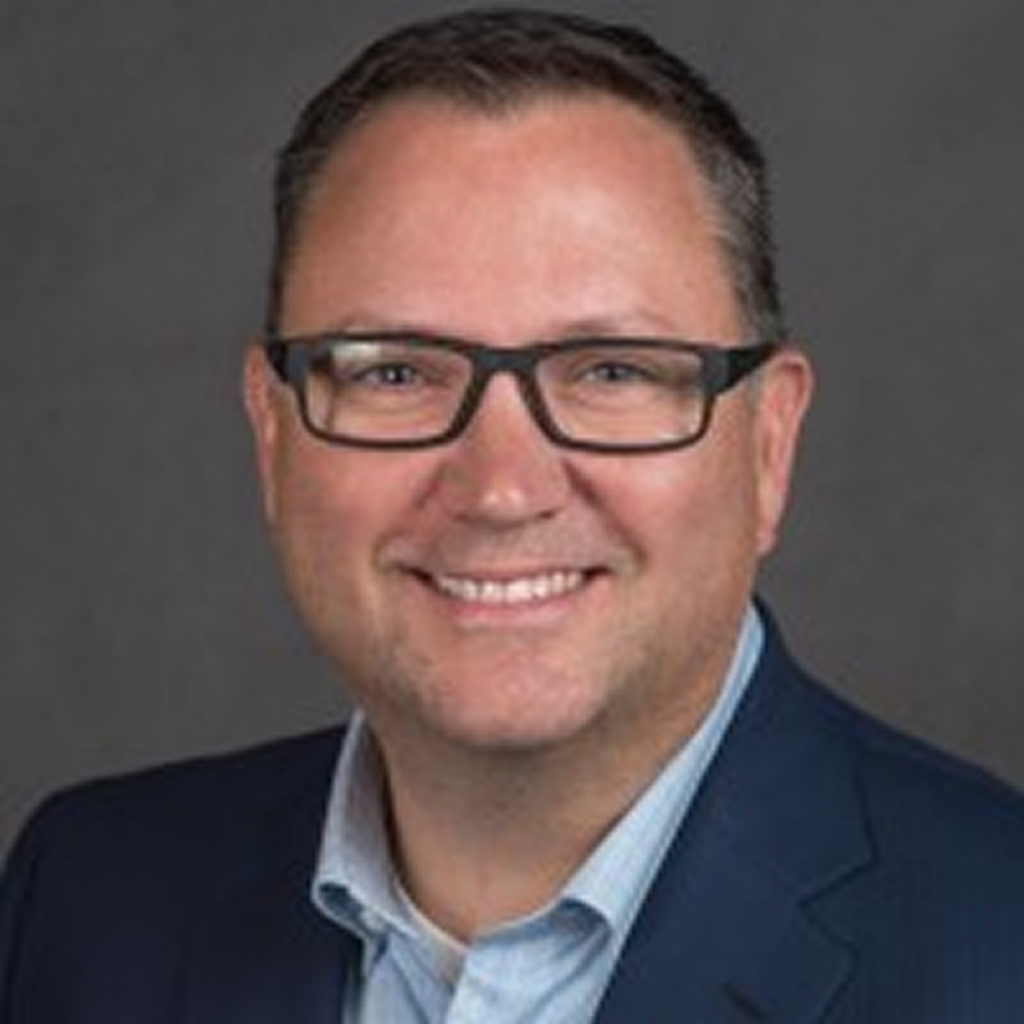
Executive Vice President, MHI
Christian Dow drives innovation across the material handling and warehouse automation ecosystem. With deep expertise in connecting top retailers and distributors with cutting-edge technology, Christian offers a unique perspective on how automation addresses shifting consumer trends and e-commerce demands. Christian is a dedicated advocate for the “workforce of the future,” bridging the gap between human talent and supply chain innovation.
This webinar has concluded. You can watch a replay of this and other webinars on our videos page.