GAP enhanced
Fulfillment model

High-Volume eCommerce

Increase throughput while lowering cost per unit.

As eCommerce order volume grows, releasing orders in scheduled waves can create bottlenecks in one part of the operation and idle time in another.

High-Volume eCommerce is designed to continuous pull orders.

Orders are released and routed in real time as capacity becomes available, so single- and multi-unit orders follow the appropriate fulfillment path while maintaining a continuous flow from picking through shipping.

Process flow

How High-Volume eCommerce keeps work moving

Orders are continuously released to maintain pick density and increase utilization of human and automation assets.

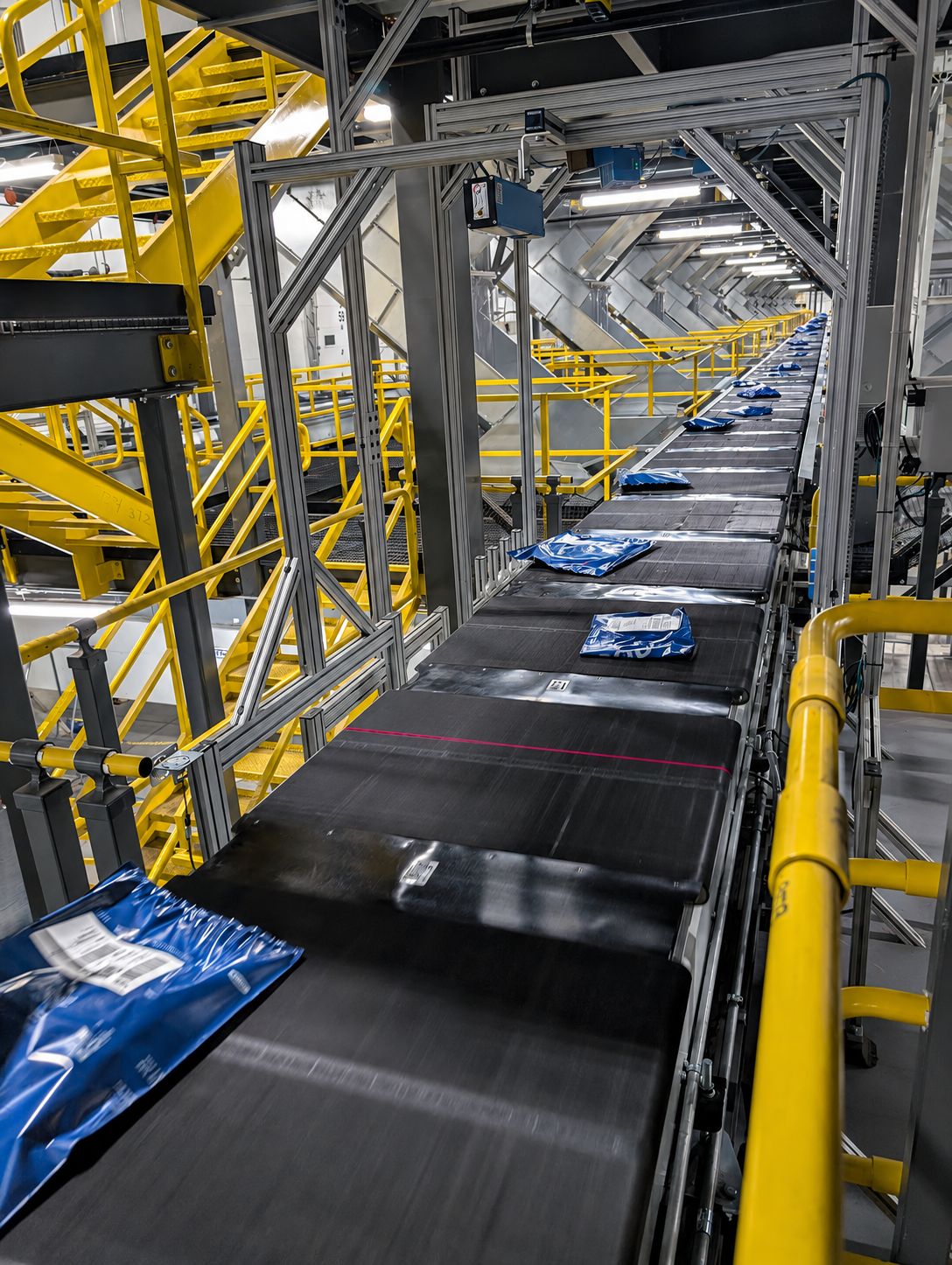
Units are batch picked and conveyed to a unit sorter for order assembly, packing, and shipping.

As work is consumed, COFE® releases the highest-priority available work to keep a steady, even flow of work.

Orchestrated by COFE®
COFE® dynamically releases and routes work based on consumption signals in the operation. This increases utilization and efficiency while keeping picking, order assembly, and packing synchronized.
Expected operational outcomes
50%

Increase in throughput and capacity.

30%

Lower processing cost per unit.

75%

Faster order completion times.

Solution fit

How High-Volume eCommerce compares

High-Volume eCommerce is designed for high-throughput parcel operations where increasing throughput and lowering cost per unit are the primary objectives. The matrix below shows how it compares with the other VARGO® fulfillment models.

DimensionHigh-Volume eCommerceRight-Sized FulfillmentGoods-to-PersonOmnichannel Fulfillment
Typical daily volume50K–300K+ orders/day5K–50K orders/day10K–150K orders/day25K–200K combined orders/day
Order & inventory profile25K+ SKUs; single- and multi-unit parcel orders5K–30K SKUs; multi-item consolidation25K+ SKUs; broad assortmentHigh-SKU; shared inventory; mixed order types
ChannelseCommerceeCommerce + some retail or B2BeCommerce + retail replenishmenteCommerce + retail + wholesale + DC-to-DC
Fulfillment approachConveyor + unit sortationManual flow + targeted automationASRS or AMRs feeding pick stationsMixed automation + shared resources
Primary objectiveIncrease throughput and lower cost per unitEfficiency through selective automationIncrease output with available laborBalance channels from one inventory pool

Scroll to compare →

Not sure which model fits your operation?

VARGO® helps determine the right model—or combination of models—based on how your operation actually runs.